WellSouth | Walking Alongside Former Refugee Whānau in the Southern Region
Every year the Southern region of New Zealand has the privilege of welcoming approximately 220 former refugees as part of the national quota programme. While Dunedin has been a resettlement site since the 1970s, it was officially designated as a support hub for the New Zealand Refugee Quota Programme in 2016. Shortly after, in 2018, the programme expanded its warmth and welcome to Invercargill.
At the heart of this transition is WellSouth. We hold the health contract for former refugees settling in the Southern region and partnering closely with the New Zealand Red Cross during a whānau’s first year of arrival. WellSouth focuses on a critical determinant of successful resettlement: health.
The New Zealand health system, which can be complex and difficult for anyone to navigate, can feel even more challenging for former refugees. This is because our health system has been designed for the majority population based on the Western Biomedical Model of health. This means there are risks that this system can cause vulnerable people to fall through the gap if they do not fit this mould, and former refugee whānau often face a perfect storm of systemic obstacles.
Many of our whānau are managing complex health diagnoses. They deal with challenging personal problems and deep-seated trauma, and often a foundational distrust of institutional systems. These challenges are worsened by systemic roadblocks, for example language barriers found in appointment letters and texts that are sent exclusively in English. This causes patients who can’t understand them to miss appointments and be unfairly discharged as "non-engaging."
Language gaps also exist in other ways, because specific dialects and rare languages are harder to translate and therefore not be available on demand. When formal translation services fail, whānau are relying on friends or their own children to interpret. This creates severe privacy issues and forces children into carer roles that strain whānau dynamics. Standard written resources also fail due to low health and native-language literacy or not being available in different languages.
Navigating the health system is also full of logistical and socio-economic hurdles. When we think of health, we often think about the appointment itself, but access to health extends much wider and deeper than this. Transport is a great example. Many of our whānau are without a driver’s license or vehicle and rely on public transit while managing tight budgets and childcare. For single mothers with multiple children this can turn a standard doctor's visit or managing multiple hospital appointments into a major logistical nightmare.
To help tear down these barriers, WellSouth funds and operates a dedicated Former Refugee Team consisting of Registered Nurses and Cross-Cultural Health Navigators.
Upon arrival, every whānau is allocated a dedicated Cross-Cultural Health Navigator who serves as their primary anchor for the next three years. These navigators are the bridge between two worlds. They hold the cultural understanding, linguistic skills, and the time required to walk alongside whānau. They book appointments, decode western health concepts, and provide cultural guidance to the medical professionals interacting with the whānau.
“Our Cross-Cultural Health Navigators play a pivotal role in anchoring trust and connection. They provide a safe harbour for whānau to return to whenever they face challenges or feel overwhelmed. This psychological safety allows for a seamless, warm handover to General Practices and wider services as the whānau’s confidence and trust grows”- Jen Lowrey, Equity Delivery Programme Lead
The WellSouth Former Refugee programme guides whānau from intensive support to autonomy, independence and cultural resilience. Through the targeted milestones of the programme whānau will be provided with free access to general practice services for the first three years. Whānau will also be offered targeted one to one and group education through culturally tailored health workshops that cover vital topics like reproductive health, digital health tools, and managing long-term conditions. At the end of the three years, whānau enter an exit pathway where graduation workshops ensure they possess the structural literacy and confidence to manage their own healthcare independently. This is in addition to the one-to-one tailored support provided by the Cross-Cultural Health Navigators and Registered Nurses in the team.
The theme for this year’s Refugee Week is 'Courage.' True courage is rarely loud; more often, it is the quiet determination to forge a new life against overwhelming odds.
We see this courage personified daily in the communities we serve—particularly among the women. Many arrive as single mothers who, due to geopolitical conflict, never had the opportunity to step inside a classroom or learn to drive.
 To watch these families and in particular the women, claim their independence is nothing short of extraordinary. We see them study, sit their learner's license tests, start their own businesses, explore new hobbies, and build rich cross-cultural friendships. For many, the ultimate act of courage is finding their voice for the very first time—learning that it is safe to speak up, state their needs, and demand the care they deserve.
There are times, however, when the weight of the journey is too heavy. In those moments, our team holds that voice and carries that hope for them until the whānau can gather the strength to carry it forward themselves.
Building an equitable health system cannot be achieved by one team alone; it requires an entire system and community to consciously choose to change, speak up and take meaningful action. We hope that through the presence of our teams that we can support the community and health services to grow their understanding of different health needs and cultures to remove barriers to accessing health care services.
It is an incredible privilege to be a part of these stories—to watch generations grow, to see babies born, celebrate success and milestones and to experience the beautiful “cross-pollination” of cultures in the Southern region. By building blocks of resilience and advocating fiercely for systemic equity, WellSouth team’s mission is to continue to hold the voice and choice of our Former Refugee communities at the centre of everything we do.
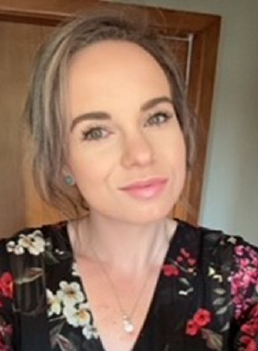
Jen Lowrey, Equity Deilvery Programme Lead, WellSouth
Image caption: Jen Lowrey, Equity Deilvery Programme Lead, WellSouth